Is This Vacant Land Really Buildable? What to Verify Before You Buy
Is vacant land really buildable? Check zoning, legal access, utilities, septic and flood risk, then organize what still needs verification before buying.
A listing may describe vacant land as “buildable.” Before you rely on that word, connect the claim to a specific parcel and a specific intended use. A home, a different type of building, or a proposed land split can raise different questions.
Start with the parcel number, county, state, available address, and your intended use. Keep the source of each answer with the property. How to check if land is buildable is not one map lookup or one calculator result: it is a set of questions to resolve with the responsible agencies, providers, and qualified professionals.
1. Check zoning beyond the label
A zoning label is a starting point, not a complete answer. Ask the responsible planning office whether the intended use is allowed on this parcel and what additional conditions, restrictions, and permits apply.
Bonner County, Idaho's Planning FAQ explains that legal parcel status is only one factor. Terrain, wetlands, flood hazards, and permits can also affect whether land can be developed. That county example is not a substitute for checking the rules where your property is located.
To verify land zoning, record the district, the authority that supplied the answer, and the remaining conditions for your intended use. If you are considering a split, a calculator scenario does not establish permission to split the property.
2. Separate a visible road from verified access
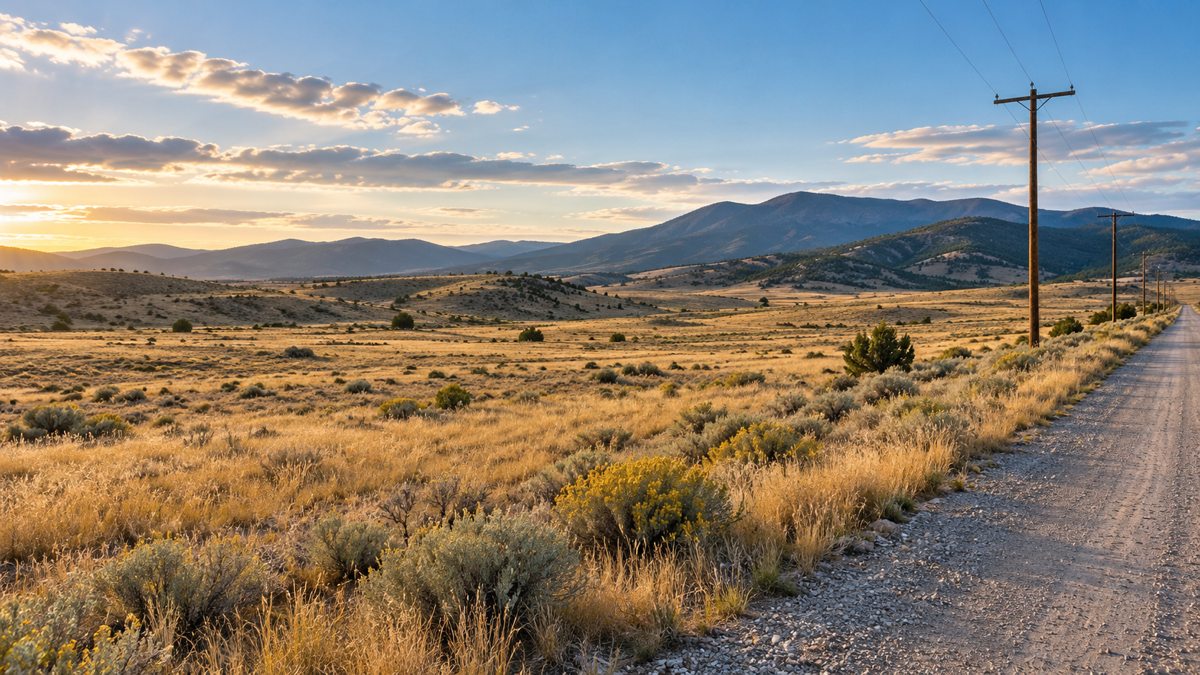
A gravel road, driveway, or track visible in an image does not establish a legal right to use it. Physical access and legal access are separate questions.
Have a title professional examine the recorded access documents. Keep physical and legal access separate until both are supported. Record what route physically reaches the parcel, which documents support legal access to land, and what still needs clarification before you rely on either.
3. Ask providers what “utilities nearby” means
Utility poles or a nearby line do not answer whether service is available for the intended use or what connection will cost. Ask each provider what it can serve, where the connection would be, and what work and permissions would be required. Request a written estimate rather than treating “nearby” as a budget number.
If sewer is unavailable, investigate septic feasibility. The EPA's septic FAQ describes factors such as soils, slope, lot size, occupancy, and local requirements that affect system selection and suitability.
Idaho DEQ's septic and septage guidance recommends a public-health-district site evaluation and consultation with a licensed installer before purchasing. Confirm the evaluation and approval process with the authority for your parcel; requirements vary by jurisdiction.
Keep water, power, sewer, and septic questions distinct. Utilities on vacant land need provider or authority confirmation, not just a listing description or a map observation.
4. Check flood maps against the actual plan
Use the FEMA Flood Map Service Center to locate available flood mapping for the property. Examine the proposed building location and the access route, not only the parcel center.
A parcel-center lookup can miss the part of the land where you intend to build or the road you need to reach it. Flood risk also exists outside mapped high-risk zones. Keep the map source and the unanswered location-specific questions together, and seek appropriate confirmation before relying on the proposed site or access route.
5. Keep unknown costs visible
Record each input as an estimate, a documented quote, or an unresolved question. Do not silently turn a missing connection cost, septic answer, access requirement, or permit condition into zero.
Try less favorable assumptions in the calculator. Higher costs or a longer process can change whether you want to continue investigating. The calculation organizes the numbers you enter; it does not confirm zoning, legal access, utility service, septic approval, or buildability. Any dollar amounts used in your scenarios are illustrative until supported by property-specific evidence.
Organize the property, check the numbers, then decide
Use LandGauge to organize the property and explore deal numbers. Begin with the property, work through the existing calculator, and decide whether to pursue it or stop. If it is worth pursuing, continue into Due Diligence Lite to identify and organize what still needs verification.
Use this as a vacant land due diligence checklist for the open questions, not as a declaration that the land is approved for your plans.
Start with your property at LandGauge. Check the numbers, decide whether to continue, and identify what needs verification next.
Sources & Official Resources
Primary sources that support the information in this guide. Requirements and record systems vary by jurisdiction — always confirm with the agency responsible where the property is located.
- Bonner County, IdahoPlanning FAQ
Legal parcel status and additional development considerations, including site constraints and permits.
- U.S. Environmental Protection AgencyFrequent questions on septic systems
Factors affecting septic system selection and local approval requirements.
- Idaho Department of Environmental QualitySeptic and septage
Public-health-district site evaluation and licensed installer guidance before purchasing land.
- Federal Emergency Management AgencyFlood Map Service Center
Official flood mapping; examine the proposed building location and access route.
Related guides
- Due DiligenceHow to Tell if Land is Buildable: A Step-by-Step Due Diligence GuideA practical, twelve-point framework for evaluating whether a vacant parcel can realistically support a home or small development — before you make an offer.
- AccessHow to Verify Legal Access Before Buying Vacant LandA road you can see is not a right you own. Here is the step-by-step workflow for verifying legal access through deeds, plats, recorded easements, road status, and county records.
- UtilitiesUtilities Nearby? Verify Connection Requirements and Costs Before Buying LandNearby homes and utility lines are useful clues—not a connection commitment. Learn who to ask, what costs to investigate, and how to save unresolved questions in LandGauge.
- Due DiligenceLand Due Diligence: How to Check Land Records Before You BuyLearn which land records to check before buying, what maps and deeds can tell you, and which access and building questions still need verification. Includes Fremont County, Colorado examples.